NuCore
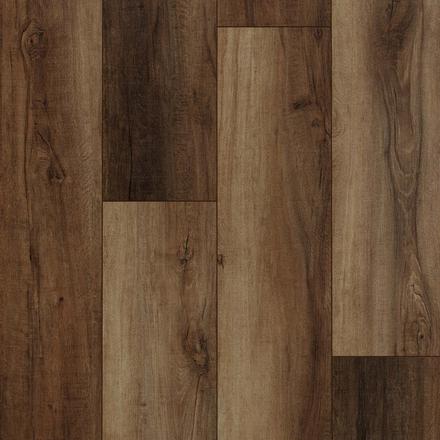
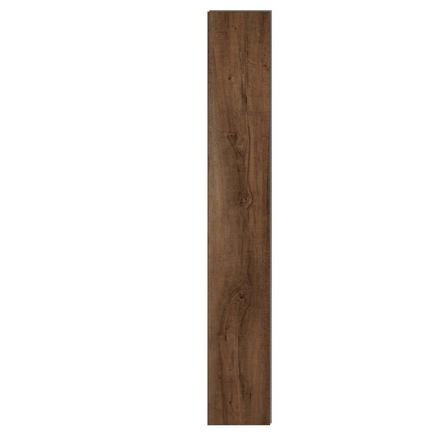
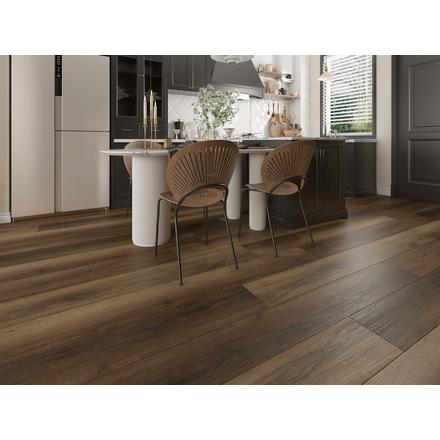
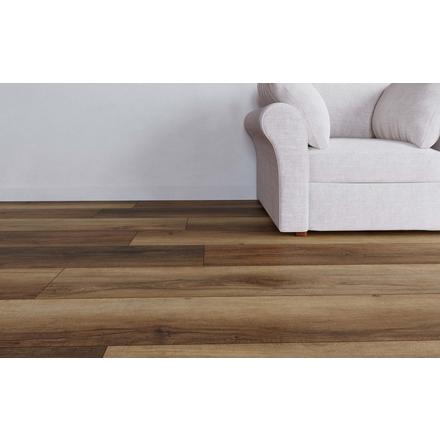
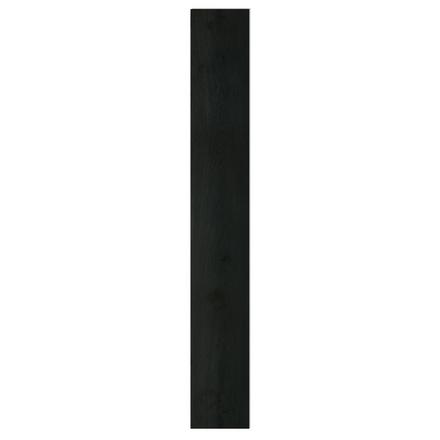
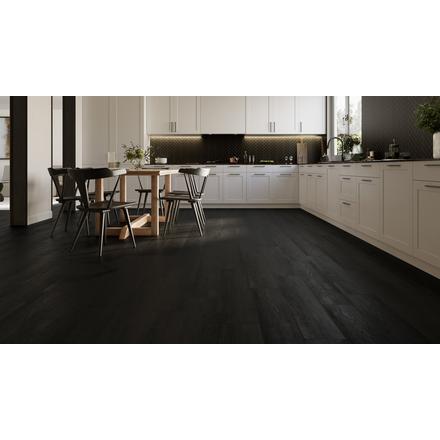
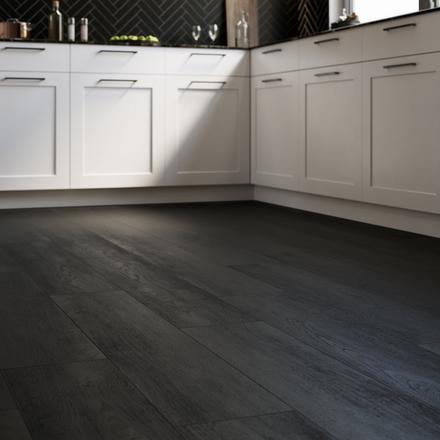
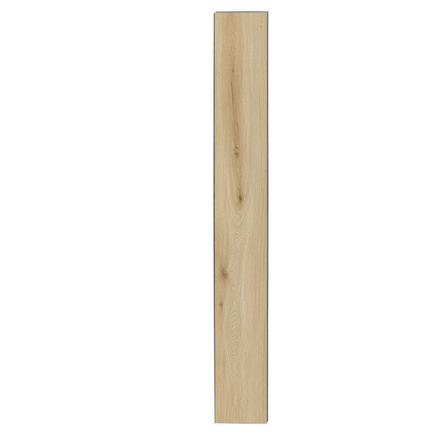
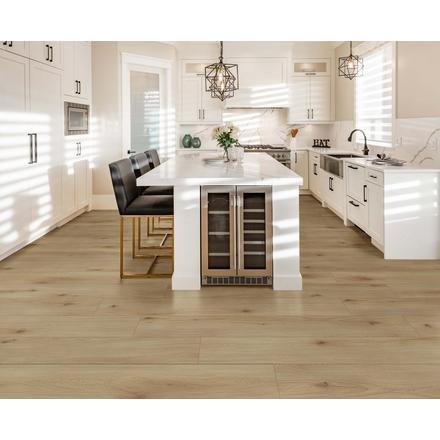
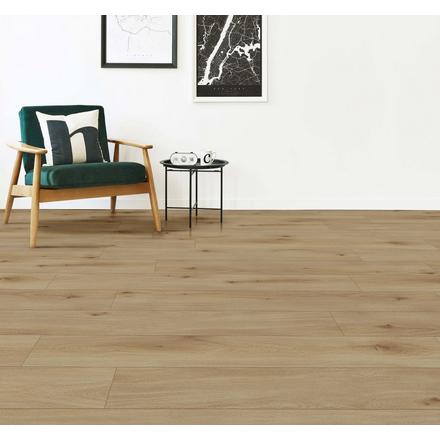
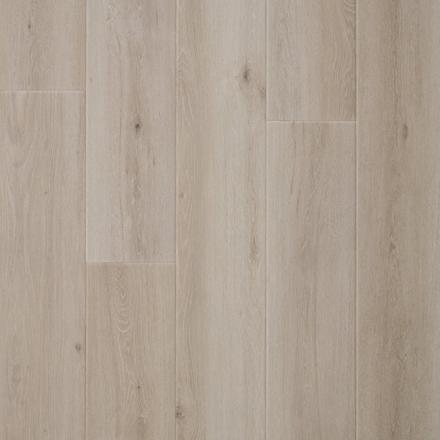
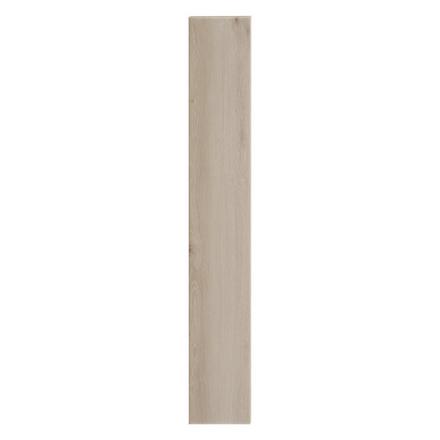
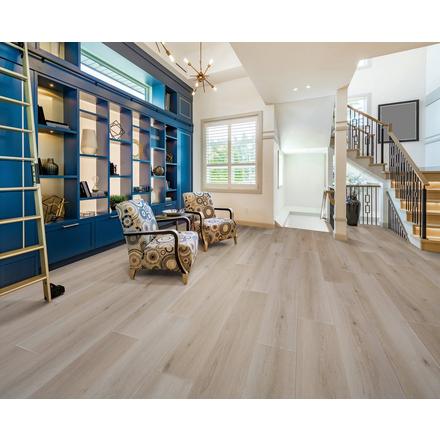
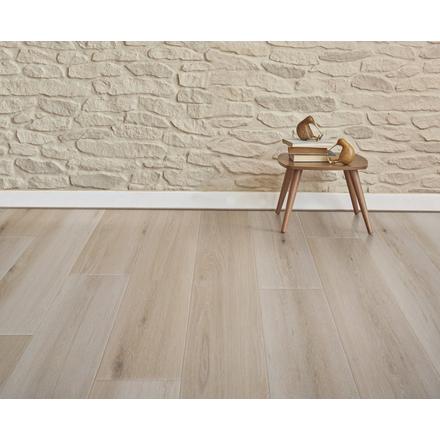
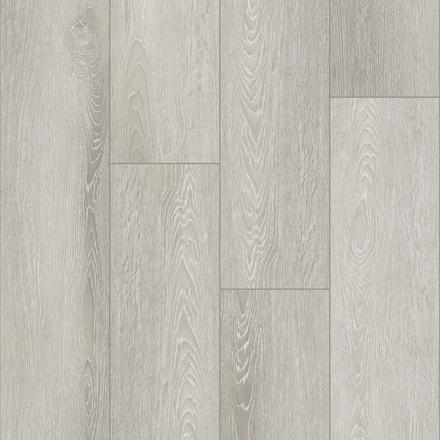
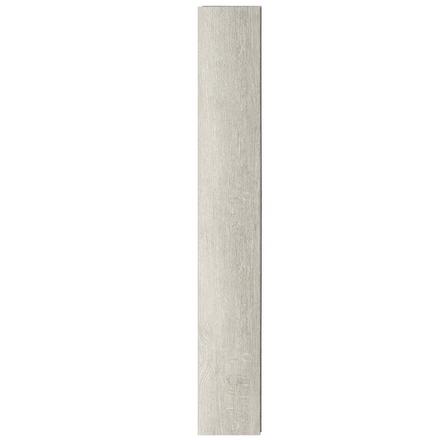
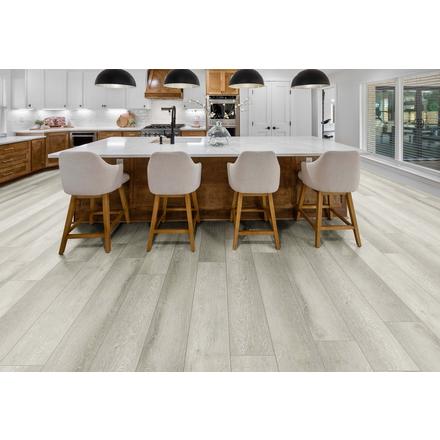
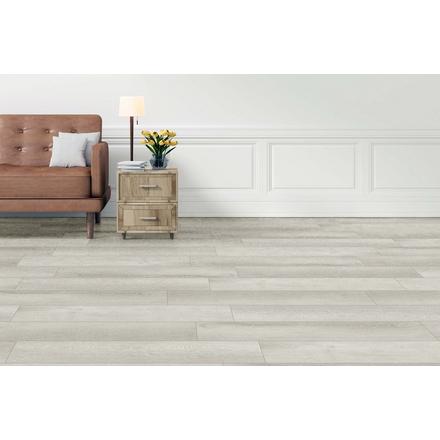
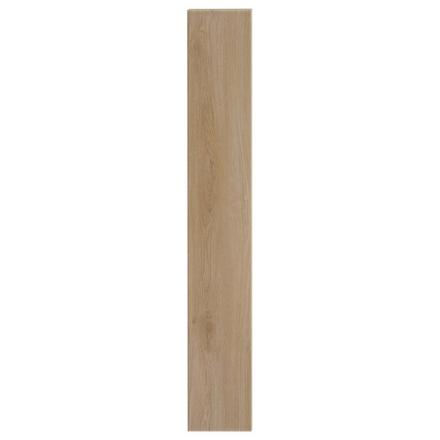
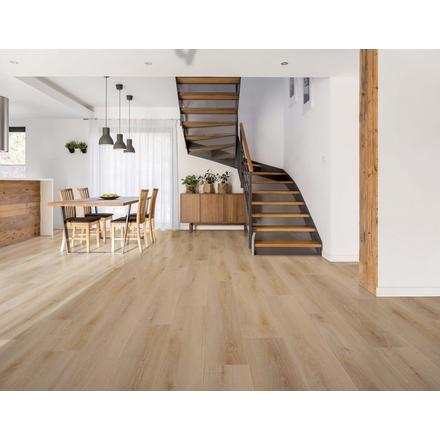
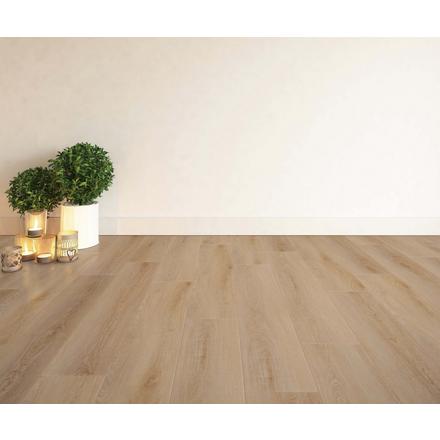
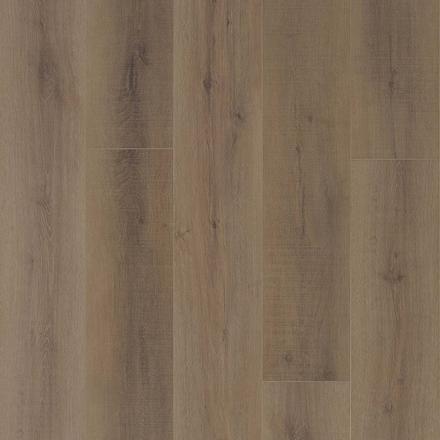
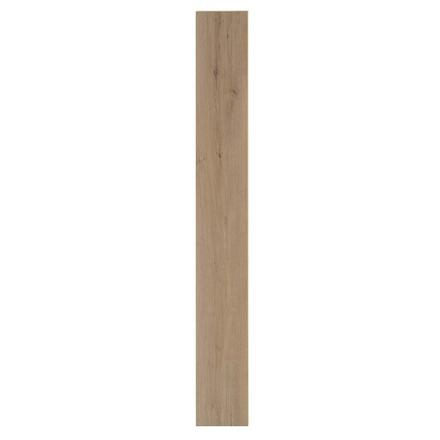
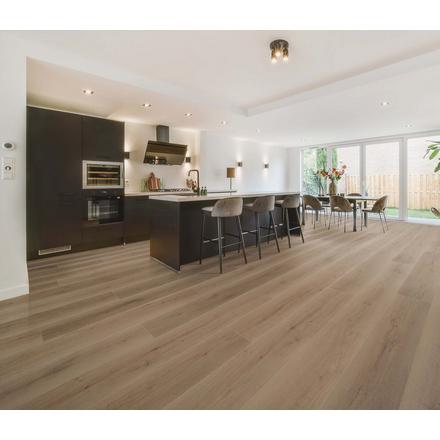
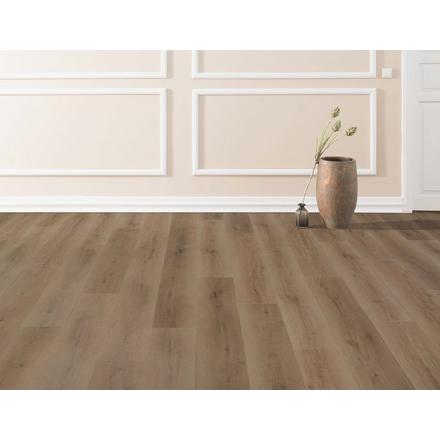
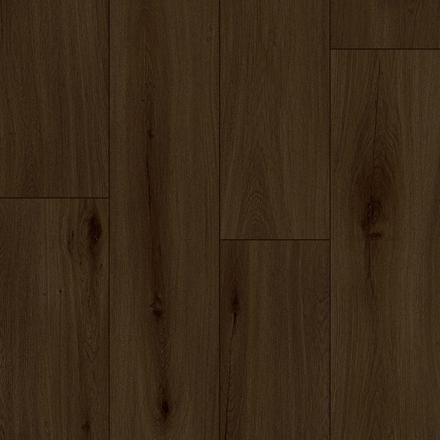
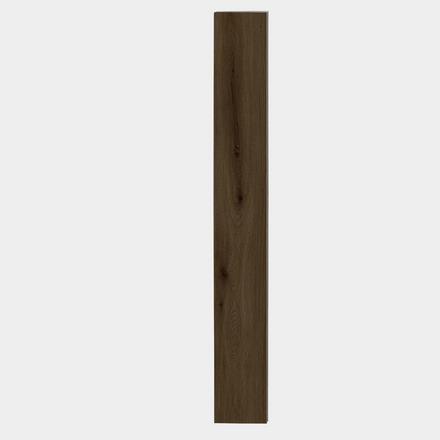
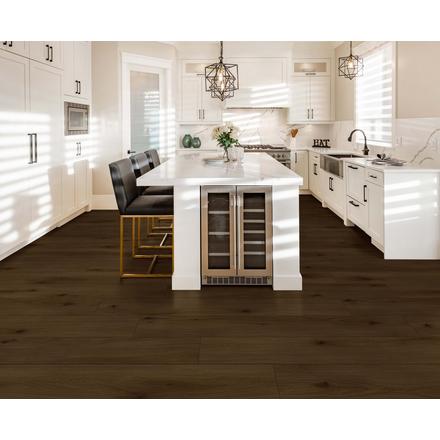
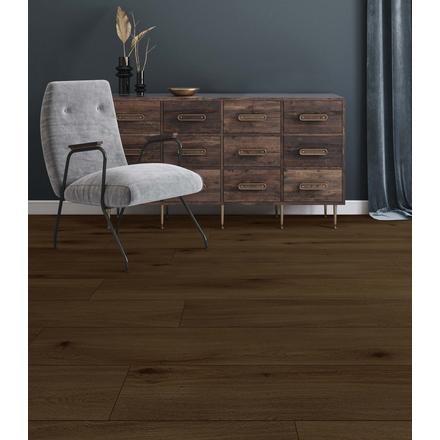
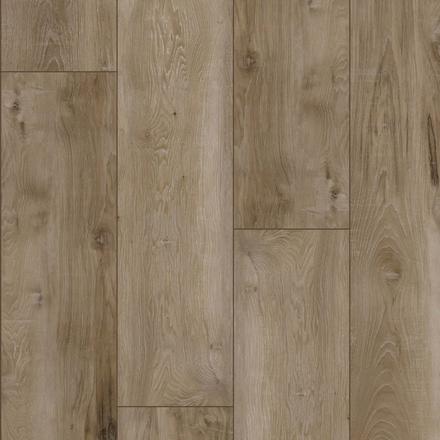
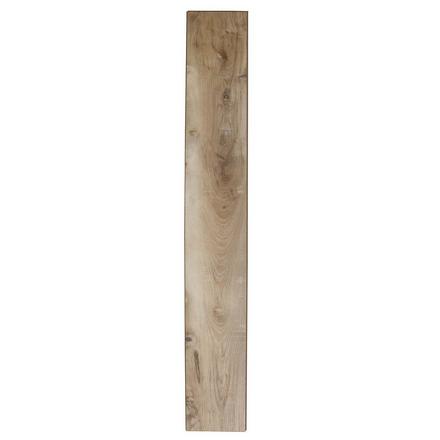
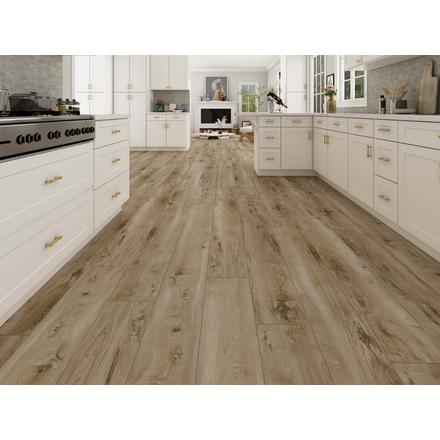
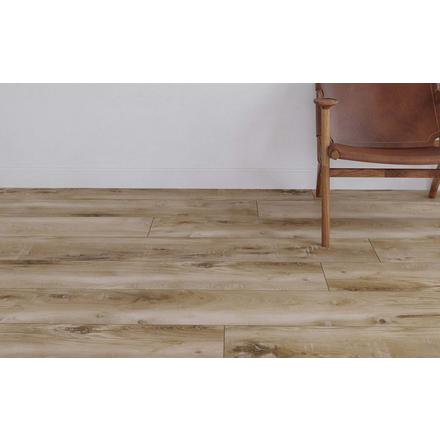
Deerfield Grove Waterproof Rigid Core Luxury Vinyl Plank - Cork Pad
You have reached our 4 product maximum. Please remove a product to continue.

Most residential vinyl tops out at 20 to 28 mil, but premium products start at 30 mil and range higher. At 30+ mil, the protective surface layer is roughly four times the material of a standard 8 mil product - built for spaces where heavy foot traffic, pets, furniture movement, and frequent cleaning are daily realities rather than occasional events.
A 30+ mil wear layer is designed for spaces that take the hardest daily use - entryways, kitchens, hallways with kids and pets, and rental units that need to survive tenant turnover. The added surface material absorbs years of concentrated wear without visible degradation. Most 30+ mil products also carry extended warranty coverage that lower-mil options may not qualify for.
A 30+ mil wear layer is the preferred choice for landlords and property managers who need flooring to survive multiple tenant turnovers without replacement. Lower-mil wear layers show visible scratching and dulling after move-in and move-out cycles. At 30 mil, the surface withstands furniture dragging, pet damage, and heavy foot traffic across successive turnovers with minimal cosmetic loss.
The 30+ mil range reflects premium wear layer thickness and enhanced core construction. Floor & Decor sources this tier directly from manufacturers, cutting out the middleman markup that widens the price gap at traditional retailers. That direct model keeps the step-up cost proportional to the actual material difference. Visit a store for questions on how to best estimate.
Overall plank thickness (measured in millimeters) includes every layer - backing, core, print film, and wear layer. The wear layer (measured in mils) is only the transparent protective top coat that resists scratches and scuffs. A 6mm plank can have a 12 mil or a 30 mil wear layer - the wear layer determines surface durability, while overall thickness affects rigidity and underfoot feel.
A 30+ mil wear layer is the top tier of vinyl flooring durability. At this thickness, the protective surface coating is approximately four times the material of entry-level residential products - a difference that translates directly into scratch resistance, scuff recovery, and long-term appearance retention under heavy use. High-traffic entryways, busy kitchens, homes with large dogs, and spaces that see rolling furniture or equipment all benefit from this level of surface protection. Products in this range carry extended warranty coverage that lower-mil options may not qualify for, making wear layer selection a warranty issue - not just a durability preference.
Property managers consistently identify flooring replacement as one of the highest per-unit renovation costs during tenant turnover. A 30+ mil wear layer directly addresses this by surviving multiple tenant cycles - including the concentrated move-in and move-out abuse from heavy furniture dragging, pet damage, and cleaning chemicals. Multi-family common areas like corridors, lobbies, and fitness centers also benefit: these spaces see foot traffic volumes that would show visible wear patterns on lower-mil surfaces far sooner.
Premium wear layers carry premium markups at traditional flooring retailers - the price gap between a 20 mil and a 30 mil product often widens more than the manufacturing cost difference justifies. Floor & Decor sources 30+ mil vinyl directly from manufacturers with no middleman, keeping the step-up cost proportional to the actual material difference. This direct supply chain means high-performance durability is stocked in-store and available at warehouse pricing, making it practical to specify across an entire project or whole-home renovation rather than limiting the highest protection to only the busiest rooms.